

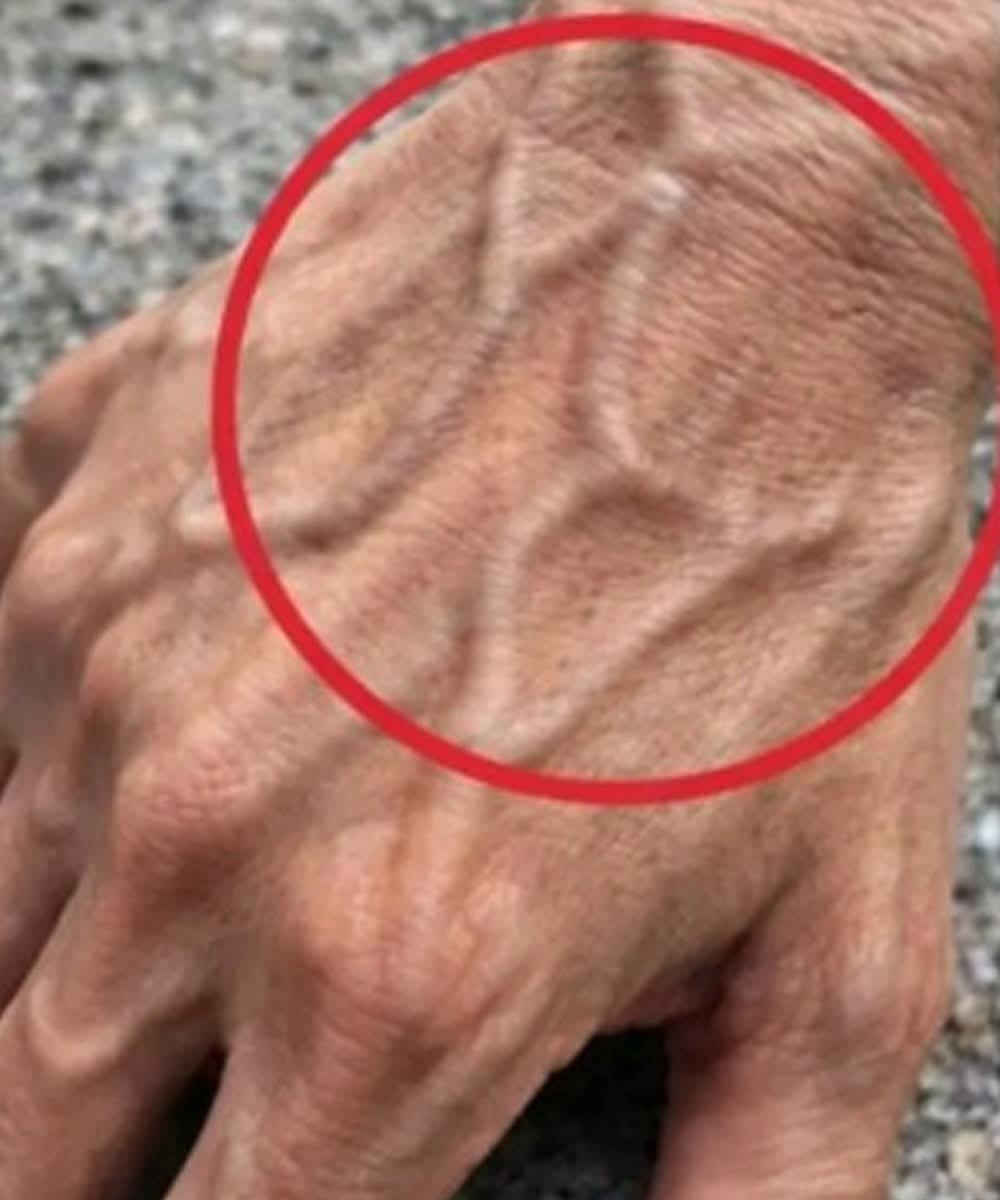
When Hand Veins Become More Visible: What It Really MeansYou glance at your hands and notice them: delicate blue or green lines tracing beneath the skin, more pronounced than you remember. For many, this observation sparks a quiet question—Is this normal?The reassuring truth: visible hand veins are overwhelmingly common and typically reflect natural, healthy changes in your body—not cause for concern. Let’s explore what your hands might be gently communicating.Why Veins Show ThroughVeins carry deoxygenated blood back to the heart and often lie close to the skin’s surface—especially in the hands, where skin is naturally thinner. Several benign factors can make them more noticeable:1. The Natural Shift of AgingAs we age, skin gradually loses collagen and elasticity. The protective layer of subcutaneous fat also thins. With less cushioning between skin and vessels, veins become more visible—a normal part of maturing skin. Hands often show these changes earlier than other areas due to sun exposure and frequent use.2. Fitness and Body CompositionLean individuals and athletes frequently notice prominent veins. With less body fat between skin and vessels, vascular structures show more clearly. During exercise, increased blood flow temporarily expands veins—a phenomenon called “vascularity” that reflects robust circulation, not pathology.3. Temperature and HydrationHeat causes blood vessels to dilate, helping the body release warmth—and making veins more visible. Dehydration can also accentuate veins by slightly reducing blood volume and making skin appear thinner. Both effects are temporary and resolve with cooling or rehydration.4. Genetics and Skin ToneSome people naturally have more visible veins due to inherited traits: lighter skin tones (where contrast is greater), thinner skin, or family patterns. If your parents or siblings have prominent hand veins, yours may follow suit—simply a matter of biology, not imbalance.When to Pay Closer Attention
When to Pay Closer AttentionWhile visible veins are almost always harmless, consult a healthcare provider if you notice:→ Sudden, unexplained swelling or bulging→ Veins that feel warm, tender, or painful to the touch→ Redness, discoloration, or hardened texture along a vein→ Persistent changes in vein size or shape without clear causeThese rare signs could indicate superficial thrombophlebitis (vein inflammation) or other vascular conditions requiring evaluation. But isolated visibility—without discomfort or rapid change—is not among them.A Sign of Vitality, Not VulnerabilityIn most cases, visible hand veins reflect a healthy circulatory system doing exactly what it should: efficiently returning blood to the heart. They are not a flaw—they are a quiet testament to your body’s intricate design.Think of them as gentle topography—rivers on a landscape shaped by time, movement, and life itself. They tell a story of resilience: of hands that have held, created, comforted, and carried you through years of living.A Thoughtful PerspectiveYour body communicates in subtle ways. Visible veins rarely signal distress—but they do invite mindfulness. Notice changes without alarm. Honor your body’s evolution without judgment. And when in doubt, seek gentle guidance from a trusted professional.Because the most profound health wisdom often lies not in fear, but in understanding:What looks different isn’t always wrong.Sometimes, it’s simply you—aging with grace, moving with strengthand living with vitality.Note: This article offers general wellness information. Consult a healthcare provider for personalized advice regarding vascular concerns.