

Classic Stuffed Cabbage Rolls A Step by Step Guide and Recipe
Are you searching for a dish that is the epitome of comfort food, rich in flavor, and perfect for the cooler months? Look no further than Classic Stuffed Cabbage Rolls. This timeless dish, which finds its way into many cultures, is essentially a big hug in a casserole dish. Known as golubtsy in Russia, gołąbki in Poland, or holishkes in Jewish cuisine, these bundles of flavor are a universal favorite.
The magic of cabbage rolls lies in their transformation. A humble head of green cabbage is softened and used to wrap a savoury, textured filling of ground meat, rice, and aromatics. Then, the entire dish is baked or simmered in a rich tomato sauce until the flavours meld and the rolls become impossibly tender. This is not a quick-fix meal, but the time invested is rewarded tenfold with every satisfying bite. The sweet, cooked cabbage balances perfectly with the savoury filling and the tang of the tomato sauce, making it a well-rounded and delicious dinner choice for families.
In this ultimate guide, we will walk you through the entire process, sharing tips, tricks, and variations to help you master the art of the perfect cabbage roll. From selecting the right ingredients to rolling them with ease and finishing them with a flawless sauce, we’ve got you covered. This is the only stuffed cabbage rolls recipe you’ll ever need, so let’s get into the details.
Choosing Your Ingredients for the Best Stuffed Cabbage
To make truly exceptional stuffed cabbage rolls, you need to start with high-quality ingredients. Each element plays a crucial role in the final dish’s texture and flavour. While you don’t need anything overly exotic, being mindful of your choices will elevate the final result.
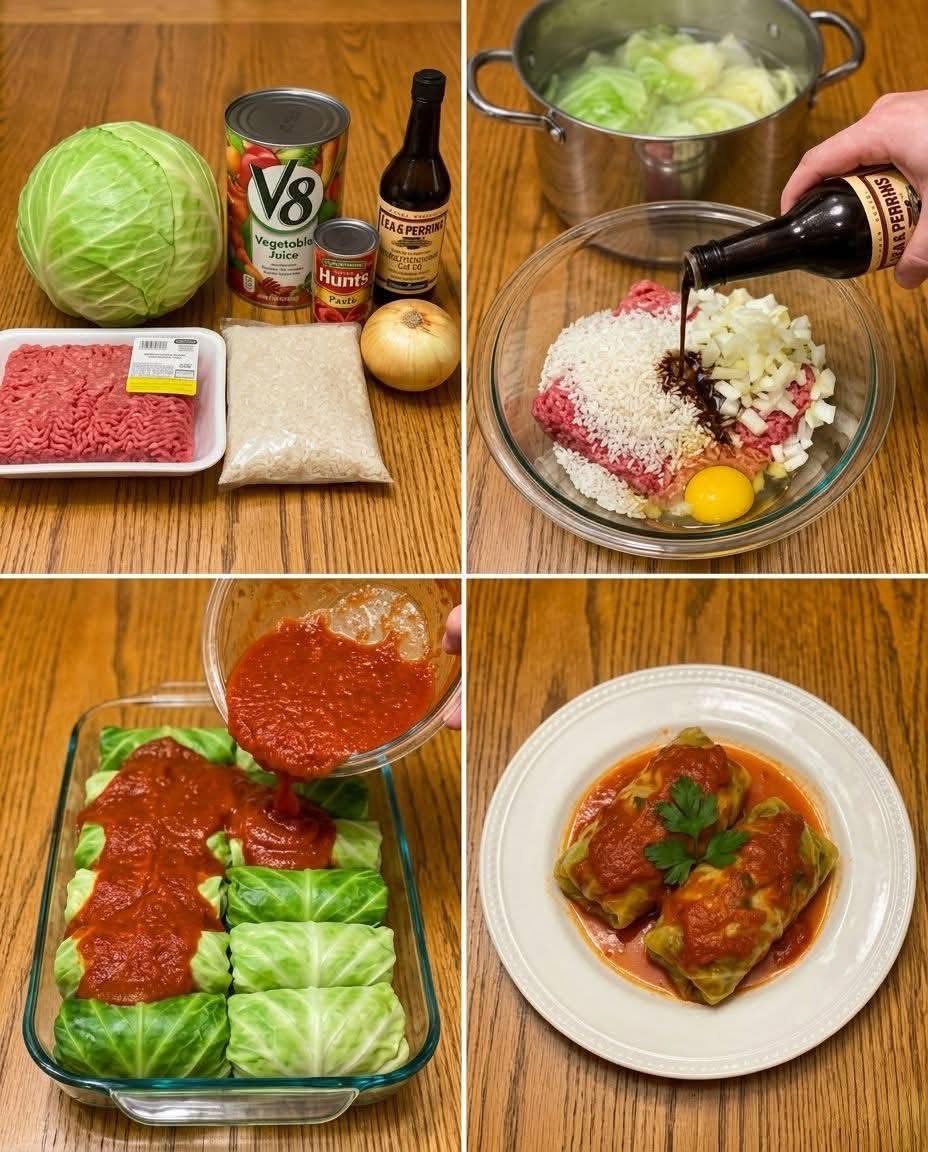
Based on the components we’ll use (referencing image_0.png), here’s what you need to gather and why:
The Core: Cabbage
A whole head of green cabbage. This is non-negotiable. Look for a large, firm head with clean, green outer leaves. Avoid heads that look wilted or have dark soft spots. The entire head will be used, with the outer leaves serving as the wrappers and the inner heart often chopped and placed at the bottom of the baking dish.
The Filling: Savory and Satisfying
- 1 pound lean ground beef: In our example, we are using lean ground beef, which keeps the rolls flavorful without being overly greasy. For a more traditional and richer flavor, you could also use a combination of beef and pork (like ground pork or veal).
- 1 cup white rice: Standard long-grain white rice works best. It provides texture and helps bind the filling together. It should be uncooked as it will absorb moisture and cook right inside the cabbage leaves.
- 1 yellow onion, diced: A large yellow onion, finely diced, adds essential sweetness and depth of flavor. In image_0.png, we can see the diced onion ready for mixing.
- 1 whole egg: The egg acts as a binder, ensuring the filling holds its shape and doesn’t fall apart inside the cabbage rolls.
- Worcestershire sauce: This secret ingredient, which you can see in image_0.png, provides that elusive “umami” kick. We are using Lea & Perrins for its classic profile. A tablespoon or two can make all the difference.
The Sauce: The Tangy Blanket
- V8 Vegetable Juice: (As seen in image_0.png). This is our modern-day secret to a complex, flavorful sauce. The blend of vegetable juices adds much more character than plain tomato sauce.
- Tomato Paste: This helps to thicken the sauce and gives it a deep, caramelized tomato flavor. Look for Hunts, as shown in image_0.png, which is a reliable choice.
The Essential Step: Softening the Cabbage Leaves
This step is perhaps the most important for ensuring your cabbage rolls aren’t tough or impossible to roll. Tough cabbage leaves are a common pitfall. The leaves must be softened until they are pliable.
How to do it:
- Boil Method: Bring a very large pot of water to a boil. Use a sharp paring knife to carefully cut out and remove the deep central core of the cabbage head. Place the entire, cored cabbage head into the boiling water, core-side down. Allow it to boil for 5–7 minutes, or until you see the outermost leaves starting to peel away from the head. Flip the cabbage and let it boil for another few minutes. Carefully remove the entire cabbage from the pot and let it cool slightly. The outer leaves will now pull away from the head easily and be soft enough to work with. (This process is visible in the top-right quadrant of image_0.png).
- Alternative: Freeze Method: If you are planning ahead, place the whole head of cabbage in a large freezer bag and freeze it solid for 24 hours. Let it thaw in the refrigerator. The freezing and thawing process breaks down the cell structure, making the leaves soft and ready to use without boiling. This is a mess-free alternative.
Mixing the Filling and Rolling with Skill
Now, it’s time to prepare the filling. In a large mixing bowl (similar to the one in the top-right of image_0.png), combine the ground beef, uncooked rice, diced onion, and the egg. Pour in the Worcestershire sauce—a generous couple of shakes will do, and don’t be shy about adding some pepper and salt at this stage. Use clean hands to mix everything together until just combined. Don’t overmix, or the filling will become tough.
Rolling requires technique, but it isn’t difficult once you know the steps. Each full leaf is a perfect wrapper for about 2–3 tablespoons of the filling mixture.
Here’s the breakdown:
- Prepare a Leaf: Lay one softened cabbage leaf flat on a clean surface. Identify the thick central vein at the base of the leaf. Use a sharp knife to carefully shave down this tough part, making it flush with the rest of the leaf. If the vein is very thick, you might even cut a small “V” to remove a portion of it.
- Add Filling: Place your portion of filling in the center of the leaf, slightly closer to the stem end.
- The First Fold: Fold the stem end over the filling, encasing it partially.
- Tuck the Sides: Fold both of the long sides inwards over the center.
- Roll Up: Now, roll the whole thing away from you, starting from the stem end, all the way to the tip of the leaf, forming a tight, secure bundle. It should resemble a small burrito. (The finished rolled bundles are visible in the bottom-left image of image_0.png).
- Place in Dish: Place the rolled cabbage bundle, seam-side down, in a 9×13 baking dish.
Continue this process with all the leaves and filling. Any extra small, inner cabbage leaves can be chopped and layered on the bottom of the dish to prevent sticking and add flavor, or you can use extra larger leaves that are too small to roll individually.
Creating the Perfect Sauce and Baking to Perfection
The final key element of stuffed cabbage is the sauce. Our recipe uses a brilliant combination to create a rich, complex flavor.
In a bowl or large measuring cup, mix the entire can of V8 Vegetable Juice with the entire can of tomato paste. Whisk it together until smooth and well-combined. This mixture provides both the liquid necessary for baking the uncooked rice inside the rolls and the signature tangy tomato flavor.
(In the bottom-left of image_0.png, you can see this reddish sauce being poured directly over the assembled cabbage rolls). Ensure all the rolls are well-coated.
Now for the last part:
- Cover the baking dish tightly with aluminum foil. This is crucial for trapping steam, which helps cook the rice and tenderize the cabbage leaves further.
- Bake in a preheated oven at 350°F (175°C) for a minimum of 60 minutes. After an hour, carefully check for doneness. The cabbage should be fork-tender, and a meat thermometer inserted into the center of a roll should read at least 160°F (71°C) to ensure the beef is fully cooked.
- For an even more caramelized top, you can remove the foil for the last 15 minutes of baking and turn up the heat slightly (to around 375°F) or use the broiler for 3-4 minutes (keep a very close eye on it).
Variations and Expert Tips for Your Stuffed Cabbage
Once you’ve mastered the classic recipe, you can experiment to create unique flavors.
- The Meat Blend: Try substituting some of the beef with ground pork or Italian sausage for extra depth and richness.
- The Liquid Gold: While V8 makes a great sauce, you can also use a mixture of tomato sauce and beef or chicken broth for a different flavor profile.
- Add Sweetness: A classic Ashkenazi variation involves adding a tablespoon or two of brown sugar, some raisins, or even crushed ginger snap cookies to the tomato sauce to balance the acidity.
- Vegetarian: For a vegetarian version, substitute ground mushrooms, lentils, or a mixture of chopped walnuts and brown rice for the ground meat.
- Freeze Ahead: This dish freezes beautifully. Make an extra batch and freeze the unbaked, assembled rolls. When you’re ready, just thaw them and bake according to the instructions.
- Rice Types: Do not use instant or quick-cooking rice, as it will overcook and become mushy. Long-grain white is the best option for the correct texture. Brown rice is a possibility, but you will need to increase the cooking time and the amount of liquid in your sauce, as it takes much longer to absorb and cook.
A Legacy of Comfort: Final Thoughts on Stuffed Cabbage
Classic Stuffed Cabbage Rolls are more than just a recipe; they are a tradition. Preparing them is an act of patience that connects you with the home cooks of the past who also understood the satisfaction of transforming simple, humble ingredients into a spectacular meal. There’s a reason this dish has endured for generations in countless cultures: it’s incredibly satisfying, comforting, and flat-out delicious.
Whether you’re making this as a weekend cooking project to enjoy throughout the week, as a crowd-pleasing dish for a potluck, or to share with family, it’s always worth the effort. By following this guide, we hope you feel confident in creating your own beautiful, tender, and flavor-packed stuffed cabbage rolls. The time has come to roll up your sleeves and bring this classic, hearty comfort food to your own table.