

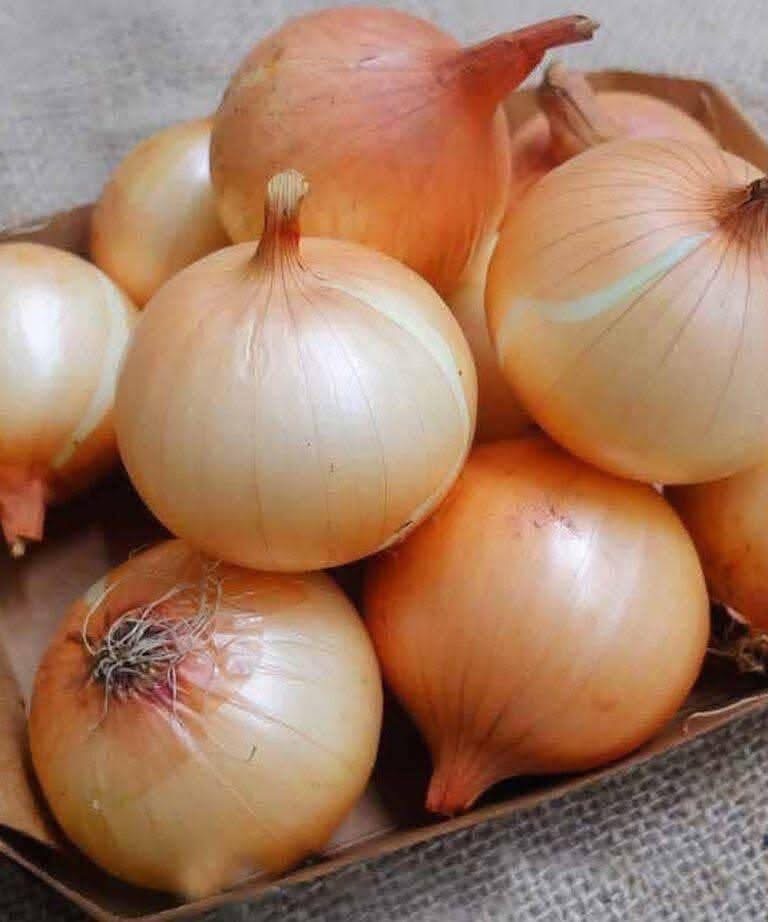
The Magic of Caramelized Onions How to Master the Ultimate Kitchen Flavor Booster
Few ingredients possess the transformative power of a humble yellow onion. When raw, an onion is sharp, pungent, and crisp, capable of bringing tears to your eyes with a single slice. However, when subjected to the slow, gentle application of heat, it undergoes a complete molecular metamorphosis. The sharpness melts away, replaced by an incredibly deep, rich, and velvety sweetness. This process—known as caramelization—turns a basic pantry staple into a luxurious culinary weapon that can elevate almost any savory dish from ordinary to restaurant-quality.
Learning how to properly caramelize onions is a fundamental skill for any passionate home cook. While the ingredient list is deceptively short and simple, the technique requires patience, attentiveness, and an understanding of the science happening inside your skillet. Many modern recipes shortcut this process by adding sugar or turning up the heat too high, resulting in scorched, bitter edges rather than the uniform, melt-in-your-mouth jam that professional chefs prize.
This comprehensive guide will break down the science of caramelization, provide a foolproof step-by-step method for achieving perfect golden-brown results, and offer creative ways to integrate this flavor powerhouse into your weekly cooking routine.
The Science of Onion Caramelization Explained
To master this technique, it helps to understand what is physically happening inside your pan. Onions are naturally packed with complex sugars and moisture. When you introduce them to a heated skillet with oil or butter, the first phase of cooking focuses entirely on moisture evaporation. As the water content within the cellular walls of the onion steam signals its exit, the onions begin to soften and collapse in volume.
Once the excess water is gone, the temperature of the onions rises above the boiling point of water, activating the true chemical caramelization process. This is where pyrolysis occurs: the complex carbohydrates and starches break down into simpler sugar molecules, such as glucose and fructose. As these sugars continue to cook over gentle heat, they recombine into entirely new flavor compounds, creating a rich amber color and an aroma that balances nutty, sweet, and deeply savory notes.
Simultaneously, a secondary chemical reaction called the Maillard reaction takes place. This is the interaction between the amino acids (proteins) and the reducing sugars in the onion. Together, caramelization and the Maillard reaction work in perfect harmony to produce a multi-layered, deeply savory umami profile that cannot be replicated by simply dumping white sugar into a hot pan.
Core Ingredients and Tool Selection
Because this process relies so heavily on simplicity, selecting the right varieties of onions, cooking fats, and cookware will directly influence your final results.
Selecting the Right Onions
While you can caramelize almost any onion variety—including red onions and shallots—classic yellow onions or sweet onions (such as Vidalia or Walla Walla) are the absolute best choices for general kitchen use. Yellow onions offer a spectacular balance of natural sugars and sulfur compounds, meaning they develop a complex, robust savory-sweet flavor profile. Sweet onions yield an even sweeter result but can sometimes lack the deep savory backbone found in standard yellow globes.
The Best Cookware for the Job
Avoid using thin aluminum pans or non-stick skillets for large-scale caramelization. Non-stick pans prevent the formation of a “fond”—those gorgeous, concentrated brown bits that stick to the bottom of the pan and get re-absorbed by the onions. Instead, opt for a heavy-bottomed stainless steel skillet, a well-seasoned cast-iron pan, or a classic enameled cast-iron Dutch oven. Heavy-bottomed cookware distributes heat evenly across the surface, reducing the risk of hot spots that can scorch your onions.
Choosing Your Cooking Fat
A combination of extra virgin olive oil and unsalted butter yields the best results. Olive oil has a higher smoke point, which prevents the fat from burning during the long cooking process, while butter provides a rich, creamy mouthfeel and a luxurious dairy sweetness that pairs perfectly with the caramelized sugars.
Step-by-Step Guide to Perfect Caramelized Onions
Follow these steps with patience, keeping in mind that true caramelization takes time and cannot be rushed with high heat.
Slicing with Precision
Start by cutting off the stem end of your yellow onions, leaving the root end intact to keep the onion stable. Cut the onion in half from top to bottom through the root. Peel away the papery outer skins and the first tough layer of onion flesh. Place the flat side down on your cutting board and slice the onion into uniform strips from root to stem, aiming for a thickness of about an eighth of an inch. Slicing from pole to pole, rather than across the middle, ensures the onion fibers cook down evenly without disintegrating into a mushy paste.
Evaporating the Moisture
Place your heavy skillet over medium heat and add a tablespoon of olive oil and a tablespoon of butter. Once the butter is melted and foaming, dump the sliced onions into the pan. At first, the pan will look completely overflowing, but do not worry—they will shrink down to a fraction of their raw volume. Stir the onions thoroughly to coat them in the fat. Let them cook at medium heat for 10 to 12 minutes, stirring occasionally. During this phase, you want the onions to soften, turn translucent, and release their abundant moisture.
Settling into the Slow Cook
Once the onions have collapsed and turned soft, reduce the heat to medium-low. This is where the real magic happens. Sprinkle a generous pinch of sea salt over the onions; the salt acts as an osmotic agent, drawing out the last remaining bits of internal moisture and accelerating the breakdown of cellular walls. Let the onions cook for the next 35 to 45 minutes, stirring every 5 minutes or so. If you notice the onions are sticking or browning too fast on the edges before the center turns golden, drop your heat to low.
Deglazing the Pan for Full Flavor
As the onions approach the 45-minute mark, they will take on a deep, rich mahogany or amber hue, and a brown glaze (fond) will develop on the bottom of your skillet. To lock that flavor into the onions, pour two tablespoons of liquid—such as water, low-sodium beef broth, white wine, or balsamic vinegar—directly into the hot pan. Use a wooden spatula to vigorously scrape up all the caramelized bits from the bottom of the pan. The onions will instantly absorb the liquid and the dissolved fond, resulting in a glossy, uniform, and incredibly flavorful jam consistency. Remove from the heat and let cool.
Creative Ways to Use Your Golden Onions
Once you have a batch of these golden gems resting in your kitchen, you have an instant ticket to unlocking profound flavors across your breakfast, lunch, and dinner menus.
Upgrading Sandwiches, Burgers, and Flatbreads
- The Ultimate Gourmet Burger: Pile a generous spoonful of warm caramelized onions directly on top of a seared beef or turkey patty, pairing it with a sharp slice of Swiss or Gruyère cheese for a classic bistro experience.
- Artisanal Flatbreads and Pizzas:Spread a thin layer of caramelized onions across a rolled-out pizza dough, top with crumbled goat cheese, fresh fig slices, and a handful of arugula for an elegant, savory-sweet flatbread.
- Elevated Grilled Cheese: Tuck a layer of the sweet onion jam between two slices of sourdough bread alongside extra-sharp cheddar cheese before grilling to golden, crispy perfection.
Enriching Comfort Foods and Sauces
- Authentic French Onion Soup: The absolute pinnacle of onion caramelization. Simmer a massive batch of your dark amber onions in a rich beef broth infused with sherry and thyme, top with a toasted baguette slice, and smother it under a blanket of melted Provolone or Gruyère.
- Savory Dips and Spreads: Fold cooled caramelized onions into a mixture of sour cream, cream cheese, garlic powder, and a splash of Worcestershire sauce to create a completely scratch-made, highly addictive French onion dip for your next party.
- Gravies and Pan Sauces: Stir a spoonful of the onions into a pan reduction after searing steaks or pork chops to instantly add body, sweetness, and a gorgeous glossy finish to your sauces.
Proper Storage and Freezing Methods
Because true caramelizing takes roughly an hour of your time, it makes excellent sense to cook a massive batch all at once and save it for future meals.
Refrigeration Guidelines
Allow your finished caramelized onions to cool down completely to room temperature right in the pan. Transfer them into a clean, airtight glass container or jar. When sealed properly and kept in the back of the refrigerator, they will maintain their rich flavor and safety for up to 5 to 7 days, making them a fantastic addition to your weekend meal prep routine.
Freezing for Instant Flavor Adjustments
Caramelized onions freeze beautifully because their water content has already been thoroughly evaporated. To freeze, line a baking sheet with parchment paper and drop the onions in single-tablespoon mounds, freezing until solid before transferring the mounds to a freezer-safe zipper bag. Alternatively, spoon the onion jam directly into clean silicone ice cube trays. Once frozen solid, pop the onion cubes out and store them in a freezer bag for up to 3 months. Whenever a soup, stew, or pasta sauce needs a sudden boost of rich umami flavor, simply drop a frozen cube directly into your cooking pot.
Conclusion
Mastering the art of caramelizing onions is a true testament to the beauty of slow food cooking. It highlights how patience, heat control, and a simple yellow vegetable can work together to create one of the most versatile and luxurious flavors available in gastronomy. By bypassing industrial shortcuts and giving the natural sugars the time they need to break down and evolve, you gain access to an indispensable kitchen asset. Keep a jar of this golden, savory jam ready in your refrigerator, and enjoy the effortless depth it brings to your culinary creations.