

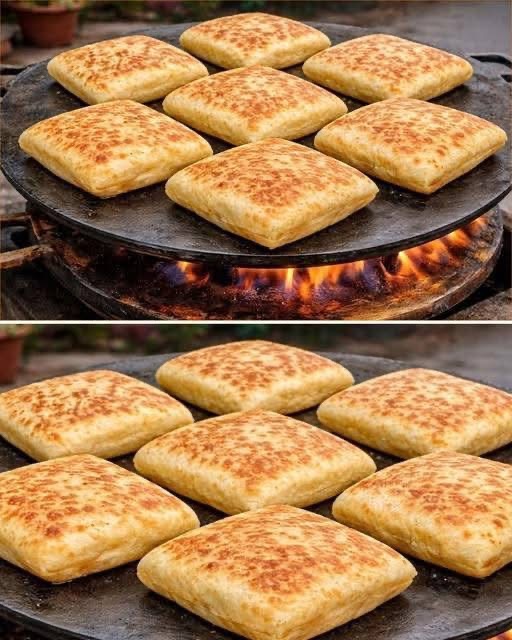
- Servings: 8 flatbreads
- Total Time: 40 minutes
- Difficulty: Medium
- Calories per Serving: 185 kcal
Plan & Macros Compatibility
| Plan | Notes |
| Keto & Low-Carb | ~3g net carbs per flatbread. Uses a combination of vital wheat gluten and almond flour to mimic traditional semolina elasticity without the carbs. |
| sw | ~4 syns per flatbread. Cook on a dry griddle using a low-calorie cooking spray instead of melted butter. |
| High-Protein | ~12g protein per flatbread. Driven by the protein-dense flour alternatives used in the dough base. |
| Weight Watchers | ~4 SmartPoints per flatbread if utilizing a light spray oil and reduced-fat dough adjustments. |
Intro
Cravings for warm, flaky, layered bread straight off the griddle are hard to ignore, but traditional flour-heavy flatbreads quickly send blood sugar spikes through the roof. If you have been missing the buttery joy of tearing into an authentic, multi-layered artisan bread, you don’t have to compromise your hard-earned progress. This recipe brings all the flaky perfection of Moroccan street food straight to your table, completely redesigned for a balanced lifestyle.
This laminated bread alternative is an absolute game-changer for anyone committed to a dedicated keto lifestyle. By swapping out traditional semolina for a clever blend of low-carb ingredients, we have captured that iconic chewy, pull-apart texture that catches perfectly on a hot tawa or griddle. Incorporating this versatile flatbread into your meal rotation means you can enjoy satisfying healthy recipes that hold up to rich stews, savory dips, or a simple morning coffee.
Prepping a batch of these golden squares takes about forty minutes from mixing bowl to plate, making them a spectacular option for weekend meal prep or a cozy weeknight dinner side. It is a macro-friendly, sugar-free addition to your baking collection that delivers pure bakery comfort with every flaky layer.
Look at the Recipe
- Sensory appeal: Beautifully squared, golden-brown flatbreads puffing up proudly over an open flame, boasting a distinct marbled, blistered crust and delicate internal layers.
- Flavor highlight: Deeply rich, buttery, and subtly nutty flavor profile with a clean, savory finish that pairs effortlessly with sweet or savory toppings.
- Key keto benefit: Grain-free and incredibly low-glycemic, offering a high-fat, high-protein alternative to traditional wheat flatbreads.
Ingredients Needed
For the Low-Carb Dough Base
- 1.5 cups vital wheat gluten (essential for that authentic chew and stretch)
- 1 cup ultra-fine almond flour
- 2 tablespoons unflavored whey protein isolate
- 1.5 teaspoons baking powder
- 1/2 teaspoon fine sea salt
- 1 cup warm water (around 105°F / 40°C)
- 2 tablespoons olive oil
For the Lamination & Cooking
- 1/4 cup ghee or unsalted butter, melted (for brushing layers)
- 2 tablespoons extra-fine almond flour (for dusting between layers)
- High-quality avocado oil spray for the griddle
How to Make Our Keto Moroccan Msemmen
- Whisk the vital wheat gluten, ultra-fine almond flour, whey protein isolate, baking powder, and sea salt together in a large mixing bowl until completely uniform.
- Pour the warm water and olive oil into the dry ingredients. Stir with a wooden spoon until a firm dough forms, then knead by hand for 5–7 minutes until the dough becomes smooth, highly elastic, and holds its shape. Let it rest covered for 10 minutes.
- Divide the rested dough into 8 equal portions and roll them into smooth balls.
- Roll out one dough ball at a time on a lightly oiled surface using a rolling pin until it is incredibly thin, translucent, and forms a large circle or rectangle.
- Brush a thin layer of melted ghee over the surface, and dust with a tiny pinch of almond flour. Fold the top third down to the center, then the bottom third up, creating a long strip. Brush with ghee again, then fold the left and right sides into the center to form a neat, multi-layered square packet. Repeat for all 8 balls.
- Preheat a large cast-iron skillet, tawa, or flat griddle over medium heat and spray lightly with avocado oil.
- Flatten each square packet gently with your hands right before cooking to spread the layers. Sear on the hot griddle for 3–4 minutes per side, flipping frequently, until the flatbread puffs up and develops beautiful, deep golden-brown blisters. Serve warm.
Storage & Serving Suggestions
- Storing: Keep any leftover flatbreads wrapped in a clean tea towel inside an airtight container in the refrigerator for up to 5 days.
- Reheating: To revive that magical flaky texture, place a flatbread back into a dry, hot skillet for 1 minute on each side, or pop it into a toaster oven. Avoid the microwave, which can make the vital wheat gluten tough.
- Freezing: Lay pieces of parchment paper between the flatbreads, slide the stack into a heavy-duty freezer bag, and freeze for up to 3 months. Thaw on the counter for 10 minutes before reheating.
- Serving pairings: Tear these warm layers apart and dip them into a spicy curry, use them to wrap lean grilled chicken breast, or serve them simply with a drizzle of sugar-free honey.
Tips & FAQs
Can I make this recipe completely wheat-free or gluten-free?
Vital wheat gluten is what gives this bread its iconic, stretchy, and chewy texture. If you must avoid gluten entirely, you can create a similar square flatbread using a classic mozzarella-and-almond-flour “Fathead” dough base, though it will have a more tender, pastry-like crumb rather than authentic bread layers.
Why aren’t my flatbreads puffing up on the griddle?
Puffing happens when the heat hits the moisture trapped between the layers, creating steam. To maximize this, make sure your griddle is fully preheated before cooking, and don’t skip the step of brushing melted ghee and dusting flour between the folds.
My dough feels too tough to roll out thin. What should I do?
If the dough is fighting back and shrinking as you roll it, the gluten structure is simply too tight. Cover it with a damp cloth and let it rest on the counter for an extra 10–15 minutes to relax the proteins, then try rolling it out again.