

How to Make Pure Homemade Avocado Oil The Ultimate Guide to Cold Pressing at Home
Avocado oil has quickly earned a permanent spot in the kitchens of health-conscious cooks, professional chefs, and beauty enthusiasts alike. Known for its exceptionally high smoke point, rich nutritional profile, and velvety texture, it is a versatile powerhouse for both culinary creations and natural skincare routines. However, if you have ever browsed the oil aisle at your local grocery store, you know that high-quality, extra-virgin avocado oil comes with a premium price tag. Furthermore, recent food industry studies have revealed a frustrating reality: many store-bought avocado oils are mislabeled, adulterated with cheaper seed oils, or stripped of their health benefits due to high-heat chemical processing.
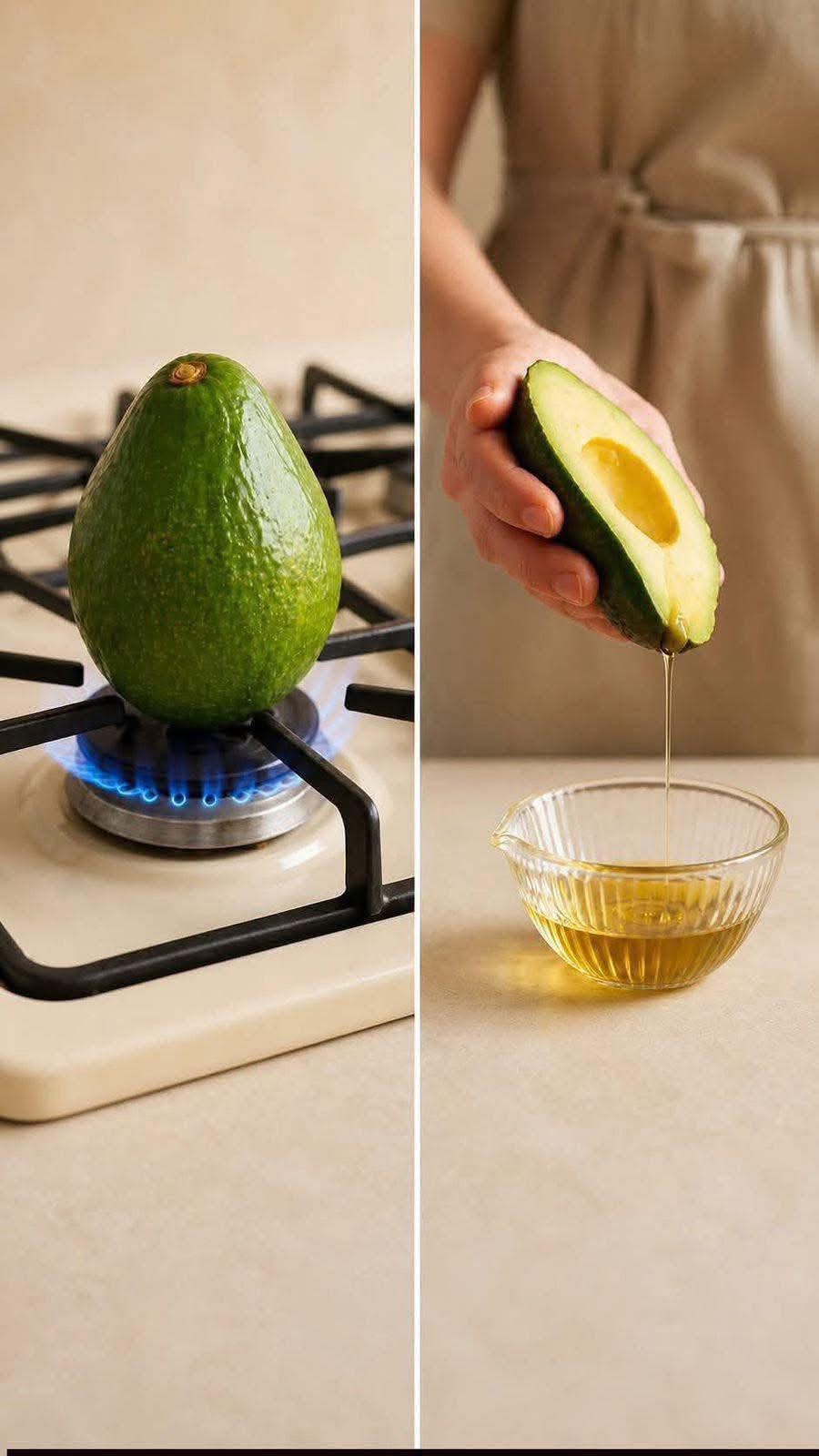
The best way to ensure you are using 100% pure, unadulterated, nutrient-dense oil is to make it yourself right in your own kitchen. While internet trends often show sensationalized images of heating whole avocados over open gas flames, true extraction relies on gentle, accessible kitchen methods that preserve the delicate monounsaturated fats. Making your own avocado oil allows you to upcycle overripe fruit, control the exact quality of your ingredients, and enjoy a vibrant, emerald-green oil that is entirely free from chemical solvents or preservatives. In this comprehensive guide, we will explore the science behind avocado oil, break down the most effective homestyle extraction method step-by-step, and show you how to maximize your yield to create a premium oil for cooking and wellness.
The Incredible Health and Culinary Benefits of Pure Avocado Oil
To appreciate why making your own avocado oil is worth the effort, it helps to understand what makes this specific fruit lipid so unique compared to traditional seed oils like canola, corn, or soybean oil.
Unlike most vegetable oils that are extracted from the seed or grain of a plant, avocado oil is one of the few oils extracted directly from the fleshy pulp surrounding the pit. This means it inherits the full spectrum of the fruit’s defensive nutrients, fat-soluble vitamins, and powerful plant sterols.
The Power of Oleic Acid and Monounsaturated Fats
Pure avocado oil is composed predominantly of oleic acid, a highly stable omega-9 monounsaturated fatty acid. Oleic acid is widely celebrated for its ability to support cardiovascular health by helping to maintain balanced cholesterol levels and reducing systemic inflammation throughout the body.
Because monounsaturated fats possess only a single double-bond in their chemical structure, they are far more resilient against oxidation than the polyunsaturated fatty acids found in common seed oils. This structural stability means avocado oil is less likely to break down into harmful free radicals when stored properly or exposed to everyday cooking temperatures.
A High Smoke Point for Safer Cooking
One of the greatest culinary advantages of extra-virgin avocado oil is its remarkable thermal stability. Unrefined, pure homemade avocado oil boasts a smoke point ranging from 375°F to 400°F (190^\circ\text{C} to 204^\circ\text{C}), while filtered versions can safely withstand temperatures up to 500°F (260^\circ\text{C}).
The smoke point is the specific threshold at which an oil begins to burn, smoke, and chemically degrade, releasing acrid flavors and toxic compounds. This exceptionally high ceiling makes avocado oil the perfect choice for high-heat cooking techniques like searing meats, roasting root vegetables, or stir-frying, where more delicate oils like extra-virgin olive oil would easily scorch and turn bitter.
The Natural Homestyle Avocado Oil Recipe
You do not need industrial machinery or chemical solvents like hexane to extract pure oil from avocados at home. The most reliable, high-yield method for home cooks is the natural “mash and dry” stovetop method.
This process uses gentle, controlled low heat to slowly evaporate the water content from the fruit pulp, naturally releasing the tightly bound oil droplets from the cellular structures of the avocado.
Equipment and Ingredients Needed
- 5 to 6 large very ripe or overripe avocados (soft to the touch, but free from extensive black mold)
- A large, heavy-bottomed skillet or non-stick pan (ceramic or cast-iron works beautifully)
- A sturdy potato masher, fork, or a high-powered food processor
- A clean, fine-mesh strain cloth, cheesecloth (layered), or a clean nut milk bag
- A clean, dark glass bottle or airtight jar for final storage
Step-by-Step Extraction Instructions
- Extract the Flesh: Cut the avocados in half around the pit, twist them open, and carefully remove the large seeds. Scoop all the green flesh out of the skins and place it directly into a large mixing bowl. If there are minor brown spots from over-ripening, they are perfectly fine to include, but discard any deeply rotted sections.
- Puree Until Completely Smooth:Using a potato masher or a fork, crush the avocado pulp thoroughly. For the absolute best oil yield, transfer the mash into a food processor or blender and process until it forms an ultra-smooth, velvety puree with absolutely no remaining lumps. The finer the mash, the easier it will be for the oil to escape.
- Apply Gentle Low Heat: Spread the smooth avocado puree evenly across the surface of your large skillet. Turn the stove eye to low or medium-low heat. It is vital to avoid high heat here; our goal is to gently coax the water out, not to fry or scorch the fruit.
- Stir and Monitor the Color Shift: Stir the mixture frequently with a heat-resistant spatula to prevent the bottom from sticking or burning. As the water evaporates, you will see steam rising, and the vibrant light green color of the puree will slowly darken into a deep, rich olive green, and eventually a dark brown.
- Watch for the Oil Separation: After roughly 20 to 30 minutes of low simmering, you will notice the smooth puree beginning to separate into thick, fibrous clumps, and pools of clear, glistening oil will start to collect along the edges of the pan and on the surface of the paste. Once the mixture is dark brown and the steam stops rising, remove the pan from the heat.
- Cool and Strain: Let the mixture cool for 10 to 15 minutes until it is safe to handle. Place your cheesecloth or nut milk bag over a clean bowl, and scoop the warm brown pulp inside. Gather the edges of the cloth tightly and twist.
- Squeeze with Force: Using your hands, apply firm, steady squeezing pressure to the bundle. You will see streams of pure, brilliant green avocado oil begin to press through the cloth and collect in the bowl below. Keep twisting and squeezing until the pulp inside the cloth feels dry and compacted.
- Bottle and Store: Pour your freshly pressed oil into a clean, dry glass bottle. Secure the lid tightly and store it in a cool, dark place away from direct sunlight.
The Science of Oil Extraction: Separating Fact from Fiction
With the rise of short-form video platforms, viral clips often showcase shortcuts for extracting avocado oil—such as roasting a whole avocado directly over a gas flame or boiling intact pits. It is important to look at the basic biology of the fruit to understand why these methods fail and why the mash-and-dry technique reigns supreme.
Why Whole-Fruit Heating Doesn’t Work
An avocado is roughly 70% water, 15% to 20% fat, and the remainder is fiber and protein. The precious oil droplets are locked deep inside the microscopic vacuoles of the plant cells.
Placing a whole, unpeeled avocado over an open flame simply chars the outer waterproof skin while steaming the interior flesh. It does not rupture the cellular walls uniformly, nor does it provide a pathway for the water to escape. To actually get the oil out, the cells must be mechanically broken down through thorough mashing or pureeing, and the water must be steadily driven off so the hydrophobic oil molecules can coalesce into collectable pools.
Preserving Nutritional Integrity with Low Temperatures
While heat helps speed up the evaporation of water during homestyle extraction, excessive heat is the ultimate enemy of raw oil quality. If the stovetop temperature is too high, the delicate monounsaturated fats will begin to oxidize, changing the color from a beautiful emerald green to a dull, muddy black.
High temperatures also destroy the naturally occurring vitamin E (alpha-tocopherol) and chlorophyll, which act as natural antioxidants that keep the oil fresh. By maintaining a gentle, patient simmer, you preserve these protective nutrients, resulting in an oil that smells pleasantly buttery and stays stable for a much longer period.
+------------------------+-----------------------------------------------------------+
| Extraction Factor      | Importance to Final Oil Quality                           |
+------------------------+-----------------------------------------------------------+
| Thorough Pureeing      | Breaks cell walls mechanically to release trapped lipids  |
| Controlled Low Heat    | Evaporates water content without burning delicate fats    |
| Fine-Mesh Straining    | Removes all solid fruit fibers for a clear, sediment-free oil|
| Amber/Dark Glass Storage| Protects chlorophyll-rich oil from light-induced oxidation|
+------------------------+-----------------------------------------------------------+
Smart Ways to Use Your Homemade Avocado Oil
Once you have successfully pressed your own batch of pure avocado oil, you have a luxurious ingredient that can be utilized across various aspects of your daily wellness and culinary routines.
Culinary Masterpieces in the Kitchen
- High-Heat Searing: Use a tablespoon of your oil to sear steaks, pork chops, or salmon in a hot skillet. It creates a beautiful, even crust without smoking out your kitchen.
- Gourmet Salad Dressings: Whisk your homemade oil with fresh lemon juice, minced garlic, dijon mustard, and a pinch of sea salt. Its naturally rich, buttery flavor provides a fantastic body for emulsified vinaigrettes.
- Roasting Vegetables: Toss cubed sweet potatoes, Brussels sprouts, or carrots in avocado oil before roasting them at 425°F (218^\circ\text{C}). The oil encourages a perfect crisp exterior while helping your body absorb fat-soluble nutrients like beta-carotene.
Natural Skincare and Hair Rituals
Because your homemade oil is entirely free from synthetic fragrances, alcohol, and chemical stabilizers, it makes an exceptional, deeply hydrating topical treatment.
- Deep Hydration Facial Oil: Avocado oil is rich in sterolins (plant steroids) which help soften skin and boost moisture retention. Pat two to three drops onto clean, damp skin before bed for an ultra-nourishing night treatment.
- Restorative Hair and Scalp Mask:Warm a tablespoon of the oil between your palms and massage it gently into your scalp and through the ends of dry hair. Wrap your hair in a warm towel for twenty minutes before washing it thoroughly with shampoo to restore shine and elasticity to dry strands.
Proper Storage: Maximizing the Shelf Life of Your Oil
Because homemade avocado oil does not contain any chemical preservatives or artificial stabilizers, how you store your finished product plays a huge role in determining how long it stays fresh and flavorful.
Guarding Against the Three Enemies of Oil
The shelf life of any natural oil is threatened by three primary environmental factors: light, oxygen, and heat. Avocado oil contains high amounts of natural chlorophyll. When chlorophyll is exposed to ultraviolet light rays, it acts as a catalyst, rapidly accelerating photo-oxidation and causing the oil to turn rancid and smell unpleasantly metallic.
To combat this, always store your oil in a dark amber or green glass bottle, or keep a clear glass jar inside a completely dark pantry or cupboard. Always seal the lid tightly immediately after use to minimize the oil’s exposure to fresh oxygen in the air.
To Refrigerate or Not to Refrigerate?
If you plan to use your batch of homemade oil within four to six weeks, keeping it in a cool, dark kitchen cupboard is perfectly fine. However, if you made a larger batch and want to extend its shelf life for up to six months, refrigeration is highly recommended.
When stored in the refrigerator, the cool temperature will cause the natural monounsaturated fats to slightly solidify, turn cloudy, or develop a thick, buttery consistency. This is entirely normal and is a hallmark sign of a pure, unrefined oil. Simply place the bottle on your kitchen counter for ten to fifteen minutes before cooking, and it will quickly return to a perfectly clear, liquid state.
Frequently Asked Questions About Homemade Avocado Oil
How many avocados does it take to make a meaningful amount of oil?
On average, it takes about five to six medium-to-large avocados to yield roughly 2 to 3 tablespoons of pure oil, depending on the water content and oil richness of the specific batch of fruit. While it requires a good amount of fruit, it is the perfect way to utilize a bag of avocados that all softened at the exact same time before they go to waste.
Can I use the leftover brown pulp after squeezing out the oil?
While the leftover pulp has had most of its fats extracted, it still contains a high amount of dietary fiber. However, because it has been cooked down on the stove, it may have a slightly bitter or highly dense flavor profile. It can be composted, mixed into home gardens as organic matter, or used in small amounts as a fiber additive in rustic baking recipes.
What varieties of avocado are best for oil extraction?
The Hass avocado variety is globally preferred for oil extraction because it possesses one of the highest natural lipid contents of any avocado cultivar, often reaching up to 20% oil by weight.
Conclusion: Reclaim Purity in Your Kitchen
Learning to make your own avocado oil is a deeply satisfying kitchen skill that connects you directly to the purity of your food. By trading industrial processing shortcuts for a patient, low-heat extraction method, you ensure that every drop of oil you produce is brimming with heart-healthy monounsaturated fats, active antioxidants, and clean, unadulterated flavor.
Whether you are drizzling this vibrant green oil over a fresh summer salad, using it to sear a perfect evening meal, or massaging it into your skin as a clean beauty treatment, you can rest easy knowing exactly what went into its creation. Embrace the rewarding process of home pressing, turn an abundance of overripe fruit into liquid gold, and enjoy the unmatched quality of truly pure, homemade avocado oil.