

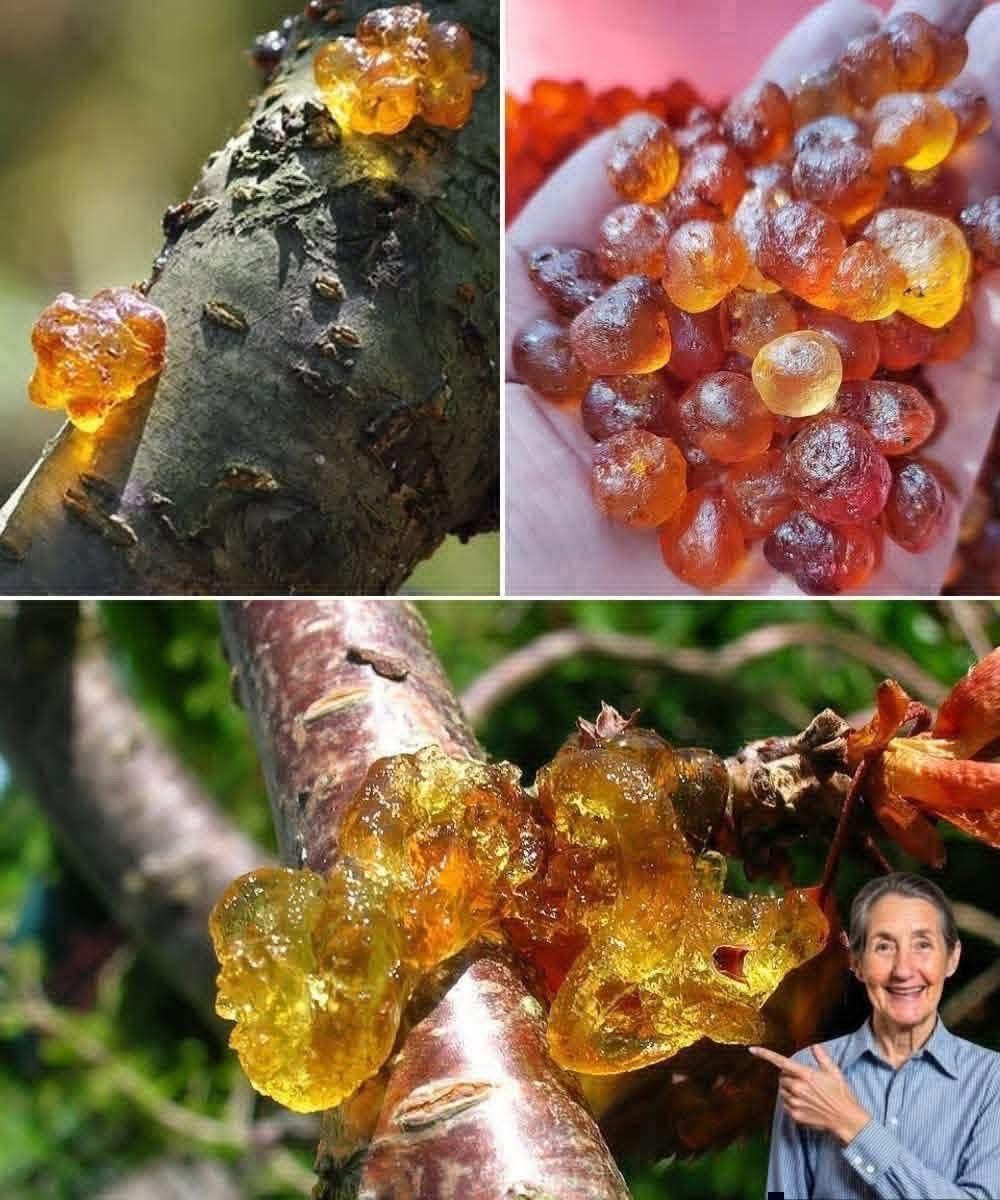
Edible Peach Gum The Ancient Superfood for Radiant Skin and Natural Wellness
Discovering unique, nutrient-dense ingredients that offer exceptional health benefits and a touch of culinary history can completely transform your approach to wellness. If you are exploring traditional remedies that promote holistic vitality, learning about edible peach gum is a wonderful place to start. Known as the “tears of the peach blossom,” this natural resin has been prized in traditional Chinese medicine and Asian culinary culture for centuries as a powerhouse for skin hydration and vitality.
Often harvested directly from the bark of wild peach trees, peach gum is a clean, plant-based collagen alternative. It bridges the gap between a soothing culinary delicacy and a functional beauty superfood. While sensational claims online sometimes frame exotic ingredients as overnight miracle cures for all ailments, peach gum genuinely offers a remarkable nutritional profile rich in complex carbohydrates and dietary fiber.
Making peach gum a part of your kitchen routine allows you to enjoy a traditional, clean ingredient free from artificial additives or heavily processed fillers. Whether you want to simmer it into a soothing, amber-colored dessert soup, blend it into comforting breakfast porridge, or gift it as a unique wellness staple, this comprehensive guide covers everything you need to know about preparing and utilizing peach gum.
What is Edible Peach Gum?
To truly appreciate this ingredient, it helps to understand exactly what peach gum is and where it comes from. Peach gum (known as Tào Jiāo in Mandarin) is the natural secretion or solidified resin that exudes from the trunk and branches of peach trees, specifically when the bark experiences natural abrasions or seasonal changes. When it first emerges, it is a soft, sticky fluid, but as it is exposed to the wind and sun, it hardens into beautiful, crystalline amber pearls.
In traditional wellness practices, peach gum is celebrated for its soothing, cooling properties. Visually, high-quality peach gum looks like raw, unpolished amber gemstones or hardened honey crystals. Once properly soaked and rehydrated, these firm resin pieces expand drastically, softening into a delightfully gelatinous, translucent texture with a neutral, subtly sweet flavor profile that easily absorbs the aromatics of whatever it is cooked with.
Its unique texture makes it a highly prized ingredient in traditional culinary arts, particularly in slow-simmered dessert soups designed to nourish the body from the inside out.
The Science and Health Benefits of Peach Gum
While modern marketing often uses terms like “collagen-boosting” loosely, understanding the actual biochemical makeup of peach gum can help you appreciate its true nutritional value.
A Rich Source of Plant-Based Polysaccharides
Peach gum is primarily composed of complex carbohydrates known as polysaccharides, specifically galactose, rhamnose, and glucuronic acid. Polysaccharides are excellent for your digestive health because they function as soluble dietary fiber. They slow down digestion, support stable blood sugar levels, and act as prebiotics that feed the beneficial bacteria in your gut microbiome, which is essential for healthy digestion and regular metabolic function.
Exceptional Skin Hydration Support
While peach gum does not contain animal-derived collagen (which is structurally different), its high concentration of water-binding polysaccharides provides remarkable hydration support. When consumed, these soluble fibers help your body maintain internal moisture balance. Well-hydrated tissues directly contribute to plump, supple, and healthy-looking skin, which is why this resin has maintained its centuries-old reputation as an authentic, interior beauty supplement.
A Clean, Low-Calorie Nutritional Profile
For those looking to manage their caloric intake while enjoying a satisfying, texturally unique dish, peach gum is an ideal choice. It is naturally fat-free, cholesterol-free, and exceptionally low in calories. Its gelatinous texture provides a strong sensation of fullness and satiety, making it a wonderful addition to light evening sweet treats or afternoon snacks without disrupting a balanced diet.
Sourcing and Selecting High-Quality Peach Gum
Because peach gum is a completely natural forest product harvested directly from tree bark, knowing how to identify premium quality ensures you avoid heavily processed or contaminated varieties.
- Look for Deep Amber Colors: High-quality peach gum pearls typically feature a beautiful, warm color palette ranging from golden yellow to a rich, reddish-brown amber. Avoid pieces that are completely black or completely opaque, as this can indicate excessive impurities or age.
- Examine the Clarity: Premium resin pearls are translucent when held up to a direct light source, resembling natural gemstones. It is normal for raw peach gum to have tiny specks of natural tree bark or dust embedded on the surface, which are easily rinsed away during the preparation phase.
- Check the Texture: Raw, unsoaked peach gum should be incredibly hard, firm, and completely dry to the touch. If the resin feels sticky, pliable, or soft before it has been soaked in water, it may contain excess moisture or added artificial syrups.
Step-by-Step Preparation and Rehydration Process
Because raw peach gum is completely solid and contains natural forest residues, proper rehydration and cleaning are essential steps before cooking.
The Essential Overnight Soak
Place approximately 1 to 2 tablespoons (about 15 to 30 grams) of raw peach gum pearls into a very large ceramic or glass bowl. Peach gum expands phenomenally as it absorbs water, often growing up to 8 to 10 times its original size. Pour at least 4 to 5 cups of clean, filtered room-temperature water over the resin. Cover the bowl with a clean towel and let it sit undisturbed for at least 12 to 15 hours, or overnight. Do not attempt to rush this process with boiling water, as slow rehydration is necessary to achieve a perfect, uniform texture.
Cleaning and Sorting the Resin
After a thorough overnight soak, your peach gum will have transformed into soft, jiggly, jelly-like clusters. Pour the rehydrated resin into a large colander and rinse it gently under cool, running water. Inspect the softened pieces carefully. Using a small pair of clean kitchen tweezers or your fingertips, gently pick out any remaining small black specks, dirt, or bits of natural tree bark embedded in the jelly. Rinse the cleaned pieces one final time to ensure they are completely pristine.
Final Prep and Sizing
Once cleaned, place the soft resin clusters on a clean cutting board. Larger pieces can be gently torn or cut into smaller, bite-sized, uniform fragments. Keep in mind that the peach gum will soften further and become incredibly tender during the cooking process, so leaving them in comfortable spoon-sized pieces ensures an enjoyable mouthfeel in your completed recipes.
Core Ingredients for a Traditional Beauty Dessert Soup
The most classic and comforting way to enjoy peach gum is by simmering it into a traditional wellness dessert soup alongside other deeply nourishing ingredients.
- 30 grams Cleaned, Rehydrated Peach Gum: The star ingredient providing a luxurious, jelly-like texture.
- 15 grams Dried Red Dates (Jujubes):Gently washed and sliced to add natural, deep sweetness and a rich aroma.
- 15 grams Dried Longan Fruit: Adds a beautiful, floral sweet note to the broth base.
- 10 grams Dried Lotus Seeds: Core-removed and soaked for 1 hour to introduce a mild, nutty contrast.
- 1 large Snow Fungus (White Wood Ear Mushroom): Soaked for 2 hours, trimmed, and chopped into small pieces to amplify the gelatinous texture.
- 4 to 5 cups Filtered Water: The clean liquid foundation for the slow simmer.
- 30 grams Chinese Rock Sugar: A clean, subtle sweetening agent that keeps the broth crystal clear.
Cooking Instructions for Peach Gum Soup
Follow this traditional method to ensure the botanicals release their full flavors while the peach gum achieves its perfect, melt-in-your-mouth texture.
Simmering the Base Botanicals
In a large, heavy-bottomed ceramic stockpot, glass pot, or slow cooker, combine the filtered water, the prepared snow fungus pieces, dried lotus seeds, and dried red dates. Place the pot over medium-high heat and bring the liquid to a rolling boil. Once boiling, immediately reduce the heat to low, cover the pot with a lid, and let the mixture simmer gently for 30 to 40 minutes. This initial simmer allows the snow fungus to release its natural plant jellies, thickening the broth beautifully.
Introducing the Peach Gum and Longan
Lift the lid and carefully stir in your cleaned, rehydrated peach gum pieces along with the dried longan fruit. Gently stir the mixture to ensure the ingredients are evenly distributed throughout the thickened broth. Replace the lid and continue to simmer on low heat for an additional 25 to 30 minutes. As the peach gum cooks, it will absorb the sweet flavors of the dates and longan, turning completely tender, translucent, and glossy.
Sweetening and Serving
During the final 5 minutes of cooking, add the Chinese rock sugar to the pot. Stir gently until the sugar crystals are completely dissolved into the amber broth. Turn off the heat and let the soup rest covered for 10 minutes before serving. You can enjoy this comforting soup warm in a cozy bowl, or let it cool completely and chill it in the refrigerator to serve as an incredibly refreshing, jelly-rich summer dessert.
Proper Storage and Batch Management
Because peach gum requires an overnight soak, prepping larger batches of the raw or cooked ingredient can save you valuable time during the week.
Storing Rehydrated Peach Gum
If you soak more raw peach gum than your recipe calls for, you can easily save the cleaned, uncooked pieces for later. Place the damp, rehydrated pieces into a clean, airtight glass container and store it in the refrigerator for up to 2 to 3 days. Ensure there is no excess standing water in the container to prevent the jelly from breaking down prematurely.
Refrigerating and Freezing Cooked Soups
The finished peach gum dessert soup stores beautifully. Pour the cooled soup into clean, airtight containers and keep them in the refrigerator for up to 4 days. The chilled soup will become even thicker and more gelatinous as it rests. If you wish to preserve the cooked soup for up to 2 months, you can freeze it in freezer-safe, wide-mouth jars. Thaw it completely in the refrigerator overnight and enjoy it cold, or warm it up gently on the stove over low heat.
Conclusion
Edible peach gum is a wonderful reminder of the timeless wisdom found in traditional, whole-food wellness practices. By incorporating this beautiful, natural tree resin into your kitchen routine, you embrace a clean, plant-based source of soluble fiber and deep hydration that supports your body beautifully from the inside out. Bypassing modern, overly processed additives in favor of a time-tested botanical allows you to experience a truly unique culinary texture and a deep sense of holistic nourishment. Prep your amber pearls, simmer them with comforting aromatics, and enjoy the radiant benefits of this ancient superfood.