

Introduction
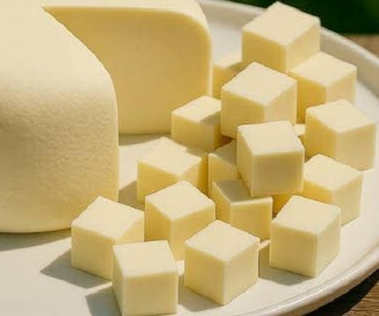
Homemade cheese is a simple, delicious, and budget-friendly recipe that transforms everyday kitchen ingredients into a fresh, creamy delight. With just milk, yogurt, and lemon juice, you can prepare your own cheese at home without complicated equipment or advanced cooking skills. This easy recipe is perfect for anyone who enjoys natural homemade foods and wants to discover the pleasure of making cheese from scratch.
Origin
Cheese-making is an ancient culinary tradition that dates back thousands of years. Before modern refrigeration and commercial dairy production, families made fresh cheese at home by separating milk curds from whey. Different cultures developed their own techniques using natural ingredients such as lemon juice, vinegar, yogurt, and traditional cultures. This simple homemade version follows the same time-honored principle.
Cultural Significance
Homemade cheese has an important place in many food traditions around the world. From Mediterranean kitchens to Middle Eastern and European households, fresh cheese is often served at breakfast, alongside bread, olives, fruit, and vegetables. Making cheese at home also represents family traditions, resourcefulness, and the joy of preparing wholesome food with simple ingredients.
Ingredients Quantity
Preparation Time: 10 minutes Cooking Time: 10–15 minutes Draining Time: 1–2 hours Yield: Approximately 200–300 g, depending on the milk and draining time.
- 1 liter whole milk
- 1 cup plain, unsweetened yogurt
- Juice of 1/2 lemon
- Salt to taste
- 1 clean cotton kitchen towel
Optional Additions
- Fresh herbs: Add chopped parsley, dill, or chives for extra freshness.
- Garlic: Mix in a little minced garlic for a savory flavor.
- Black pepper: Add a pinch for gentle warmth.
- Olive oil: Drizzle over the finished cheese for a Mediterranean touch.
- Chili flakes: Include a small amount if you enjoy a little heat.
- Honey: Serve with a drizzle of honey for a sweet and savory combination.
Tips for Success
- Use whole milk for a richer, creamier homemade cheese.
- Avoid using ultra-pasteurized milk because it may not form curds properly.
- Heat the milk gently and avoid letting it boil vigorously.
- Add the lemon juice gradually to encourage proper curd separation.
- Allow the mixture to rest for a few minutes after adding the lemon juice.
- Use a clean cotton kitchen towel or cheesecloth to strain the curds.
- Drain longer for a firmer cheese and less time for a softer, creamier texture.
- Refrigerate the finished cheese in an airtight container.
Instructions
1. Heat the Milk: Pour the milk into a medium saucepan and heat over medium-low heat until it becomes hot and begins steaming. Avoid boiling vigorously.
2. Add the Yogurt: Stir in the plain yogurt until it is completely incorporated into the warm milk.
3. Add the Lemon Juice: Pour in the lemon juice gradually while stirring gently. Continue until the milk begins separating into soft white curds and yellowish whey.
4. Let It Rest: Remove the saucepan from the heat and allow the mixture to rest for approximately 5–10 minutes so the curds can separate properly.
5. Strain the Mixture: Place a clean cotton kitchen towel over a large bowl or strainer. Carefully pour the mixture through the towel to collect the cheese curds.
6. Drain the Cheese: Allow the whey to drain for approximately 1–2 hours, depending on your preferred consistency.
7. Season the Cheese: Transfer the drained cheese to a bowl and add salt to taste. Mix gently until evenly combined.
8. Shape and Chill: Shape the cheese as desired and refrigerate it until ready to serve.
Description
This homemade cheese has a delicate, milky flavor and a soft, fresh texture that can be adjusted depending on how long it drains. It is delicious spread over warm bread, served with crackers, or paired with fresh vegetables and olives. Every bite offers the comforting taste of simple ingredients transformed into something special.
Nutritional Information
Approximate values per 50 g serving; actual nutrition depends on the milk, yogurt, and final cheese yield.
- Calories: 100–130 kcal
- Protein: 6–8 g
- Fat: 7–10 g
- Carbohydrates: 2–3 g
- Calcium: Varies depending on the amount retained during draining.
- Sodium: Depends on the added salt.
Conclusion
Making homemade cheese is a wonderful way to enjoy fresh dairy using ingredients you probably already have in your kitchen. This easy three-ingredient method is affordable, satisfying, and beginner-friendly. Once you try it, you may discover just how rewarding homemade cheese can be!
Recommendation
Serve this fresh cheese with toasted bread, tomatoes, cucumbers, olives, or your favorite crackers. It also makes a delicious filling for sandwiches, wraps, and pastries. For the best flavor and texture, keep it refrigerated and enjoy it fresh.
Embracing Healthful Indulgence
Homemade cheese allows you to enjoy a delicious dairy treat while having control over the ingredients and salt you add. Pair it with fresh vegetables, whole-grain bread, and seasonal fruits to create a balanced and satisfying meal. Sometimes, the simplest homemade foods bring the greatest pleasure to the table!