

The Ultimate Guide to Homemade Blueberry Juice Benefits Recipe and Storage
There is something undeniably magical about making your own beverages from scratch, especially when they yield a vibrant, deep purple hue that looks as striking in a glass as it does bottled on your shelf. Homemade blueberry juice is a prime example of a simple kitchen project that delivers massive rewards. Unlike store-bought versions that are often stretched with apple juice, heavily diluted with water, or loaded with high-fructose corn syrup and artificial preservatives, a pure, home-cooked blueberry juice offers an unadulterated burst of real fruit flavor. It is rich, slightly tart, naturally sweet, and incredibly versatile. Whether you want to enjoy a crisp glass over ice in the morning, mix it into artisan cocktails, or drizzle it over desserts, learning how to extract and preserve this liquid gold is a game-changer for any home cook.
Beyond the incredible flavor profile, crafting your own fruit juices allows you to take full control of what goes into your body. You choose the quality of the berries, the level of sweetness, and the specific flavor enhancements, such as a squeeze of fresh lemon juice or a hint of warm spice. This guide will walk you through everything you need to know to create a flawless, vibrant blueberry juice, complete with culinary tips, health insights, and step-by-step instructions that ensure a perfect result every single time.
Why You Should Make Blueberry Juice at Home
The most compelling reason to make your own blueberry juice is flavor purity. When you simmer fresh or frozen blueberries, they release a concentrated nectar that features a complex balance of natural sugars and bright acidity. Commercial juices often undergo heavy pasteurization and extended storage, which can dull the lively top notes of the fruit. By making it yourself, you capture the essence of the berry at its peak performance.
Control over ingredients is another massive advantage. Many popular berry juice blends on supermarket shelves list grape or apple juice as their primary ingredient because they are cheaper fillers. When you make it at home, your primary ingredient is exactly what it says on the label: pure blueberries. You can also customize the sweetness to match your personal preferences or dietary goals, opting for raw honey, maple syrup, an alternative sweetener, or no added sugar at all if your berries are exceptionally sweet.
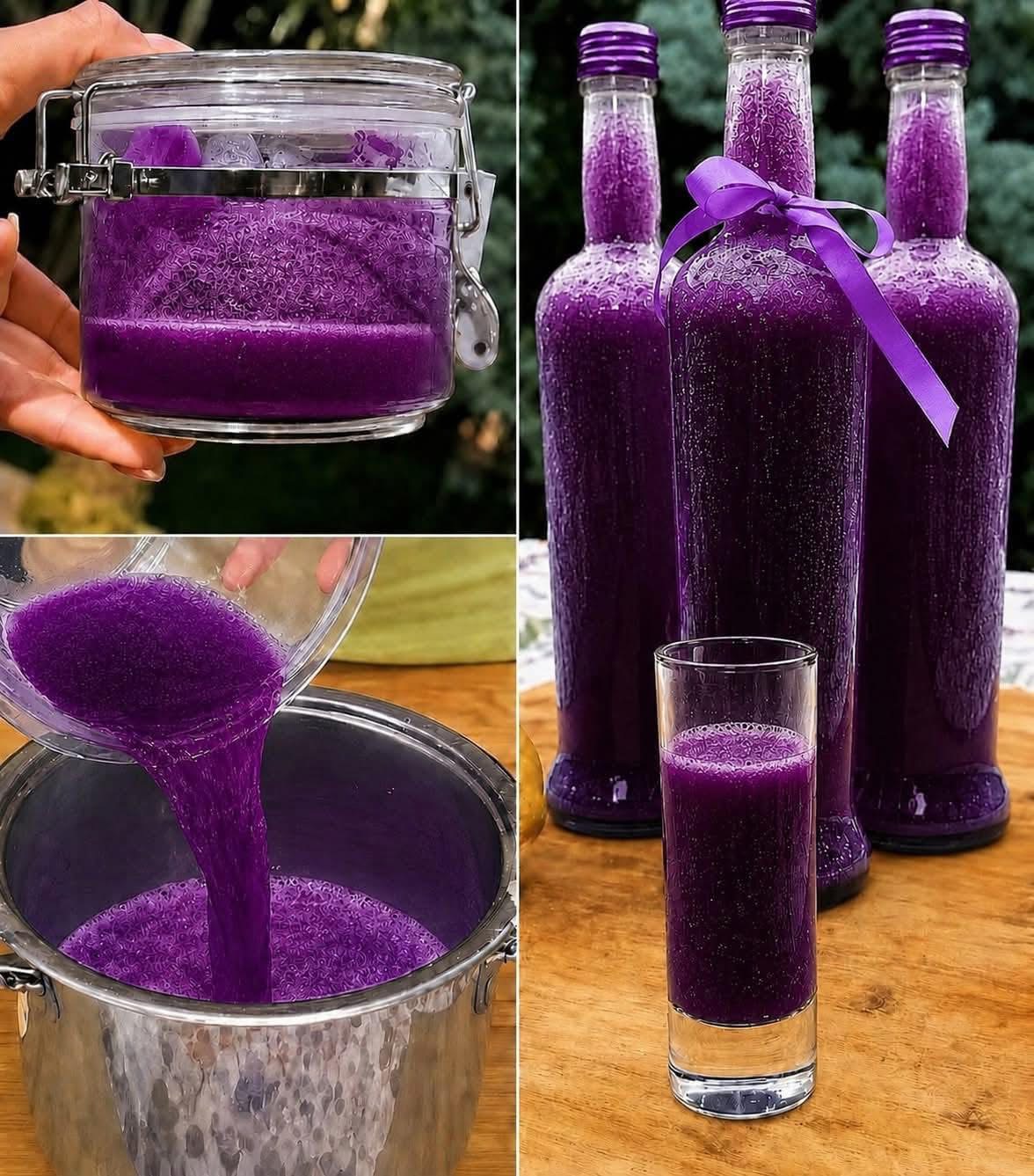
Finally, there is a distinct sense of culinary satisfaction that comes with bottling your own drinks. As shown in the beautiful glass jars and ribbon-tied bottles, presenting a homemade beverage elevates any breakfast table, brunch spread, or dinner party. It feels artisanal, thoughtful, and luxurious, turning a humble basket of fruit into an elegant pantry staple.
Health Benefits of Pure Blueberry Juice
Blueberries are frequently celebrated as a nutritional powerhouse, and transforming them into a smooth, drinkable juice preserves many of the incredible compounds that make them so beneficial. While juicing does remove the bulk of the insoluble fiber, the remaining liquid is an absolute concentrate of essential vitamins, minerals, and bioactive plant compounds.
A Powerful Source of Antioxidants
Blueberries are famous for their exceptionally high antioxidant content, specifically a group of flavonoids called anthocyanins. Anthocyanins are the pigments responsible for the deep blue and purple color of the fruit. These compounds work diligently in the body to neutralize harmful free radicals, thereby reducing oxidative stress. Regular consumption of antioxidant-rich foods and beverages supports cellular health and helps protect the body against various chronic conditions.
Supporting Heart Health and Circulation
The nutrients packed into blueberries have been closely linked to cardiovascular support. Studies suggest that the anthocyanins found in blue and purple fruits can help improve endothelial function, which regulates blood pressure and vascular health. By encouraging healthy blood flow and helping to manage systemic inflammation, a daily splash of pure blueberry juice can be a delicious addition to a heart-conscious lifestyle.
Cognitive Support and Brain Function
There is growing interest in the relationship between berry consumption and brain health. The antioxidants in blueberries are known to cross the blood-brain barrier, where they can target areas responsible for memory and cognitive processing. Incorporating pure, unrefined blueberry juice into your routine may help sustain mental clarity, focus, and overall cognitive longevity as part of a balanced diet.
Selecting the Best Berries: Fresh vs. Frozen
When preparing to make a batch of blueberry juice, one of the first decisions you will face is whether to use fresh or frozen fruit. The excellent news is that both options work beautifully, meaning you can enjoy this vibrant drink at any time of the year.
Cooking with Fresh Blueberries
If you are making this juice during the peak of summer when fresh berries are abundant, affordable, and bursting with natural sweetness, fresh is the way to go. Look for berries that are plump, firm, dry, and display a deep blue-purple hue with a dusty silver coating known as the “bloom.” Avoid baskets that show signs of moisture or mold at the bottom, as this indicates the fruit is past its prime. Fresh berries cook down quickly and provide a very clean, bright flavor profile.
The Advantages of Frozen Blueberries
Do not hesitate to use frozen blueberries, especially during the fall, winter, and spring. Frozen berries are typically picked and flash-frozen at the absolute peak of ripeness, meaning their nutritional value and natural sugars are locked in perfectly. Additionally, the freezing process breaks down the cellular walls of the fruit. As a result, when frozen berries thaw and heat up, they release their juices much more readily than fresh berries, often resulting in a deeply color-saturated and intensely flavored beverage.
Essential Kitchen Tools for Juicing
To achieve the smooth, glossy texture seen in professional bottling, you do not need an expensive, specialized centrifugal juicer. In fact, the stovetop method utilizing gentle heat yields a far more robust flavor and a beautiful, clear liquid. You only need a few standard kitchen tools to get started.
- A Large Stainless Steel Pot: Choose a heavy-bottomed saucepan or stockpot. Stainless steel is ideal because it is non-reactive. Avoid unlined aluminum or cast iron pots, as the high acid content in the berries can react with the metal, altering the taste and muddying the vibrant purple color of your juice.
- A Fine-Mesh Strainer or Cheesecloth: To separate the liquid nectar from the cooked skins and seeds, you will need a reliable straining tool. A fine-mesh sieve works well for a rustic juice with a bit of body. If you desire a perfectly clear, sediment-free juice like the one pictured, lining your strainer with several layers of cheesecloth or using a nut milk bag is the ultimate solution.
- A Sturdy Potato Masher or Wooden Spoon: As the berries heat up and soften, you will need to gently crush them to release every drop of liquid. A classic potato masher is perfect for this task, though the back of a large wooden spoon works wonderfully too.
- Sterilized Glass Bottles or Jars: For storage, prepare clean glass bottles with tight-fitting lids, swing-tops, or clamp-style jars. Sterilizing your glassware ensures that no wild yeasts or bacteria interfere with the freshness of your homemade juice.
Step-by-Step Homemade Blueberry Juice Recipe
This stovetop method extracts the maximum amount of flavor, color, and sweetness from the berries while ensuring a smooth, luxurious mouthfeel.
Ingredients
- 4 cups of fresh or frozen blueberries
- 2 cups of filtered water (adjust slightly depending on how thick you prefer your juice)
- 2 to 3 tablespoons of honey, maple syrup, or granulated sugar (optional, adjust to taste based on berry sweetness)
- 1 tablespoon of freshly squeezed lemon juice (highly recommended to balance the sugars and brighten the color)
Step 1: Prep and Clean the Fruit
If you are using fresh blueberries, place them in a colander and rinse them thoroughly under cold running water. Discard any stray stems, leaves, or shriveled, damaged berries. If you are using frozen blueberries, there is no need to thaw them beforehand; you can transfer them directly from the freezer into your cooking pot.
Step 2: Simmer the Berries
Place your prepared blueberries and the filtered water into your large stainless steel pot. Bring the mixture to a gentle boil over medium-high heat. Once boiling, immediately reduce the heat to low, allowing the liquid to come to a steady, rhythmic simmer. Let the berries cook undisturbed for about 10 to 12 minutes. You will notice the berries swelling, softening, and starting to burst, turning the water a rich, dark purple.
Step 3: Mash to Release the Nectar
Take your potato masher or the back of a large spoon and gently press down on the simmering blueberries. Crush them thoroughly to pop open any remaining whole fruits and express all the internal juices. Continue to simmer the crushed berry mash on low heat for another 5 minutes, allowing the water to fully absorb the rich flavor, color, and nutrients from the skins.
Step 4: Strain the Liquid
Set a fine-mesh strainer over a large bowl or a heat-safe glass measuring pitcher. For a crystal-clear finish, line the strainer with a double layer of cheesecloth. Carefully pour the hot berry mixture into the strainer. Let gravity do the work initially, allowing the vibrant juice to pool below. Once the bulk of the liquid has passed through, use a spoon to press gently on the remaining pulp to extract the final drops. Avoid pressing too aggressively if you are using cheesecloth, as this can push fine sediment through and cloud the juice.
Step 5: Sweeten and Brighten
While the strained blueberry juice is still warm, stir in your freshly squeezed lemon juice. Taste the liquid carefully. If your berries were exceptionally tart, add your sweetener of choice one tablespoon at a time, stirring continuously until completely dissolved. Once the flavor meets your satisfaction, let the juice cool completely at room temperature.
Step 6: Bottle and Chill
Using a funnel, carefully pour the cooled, deep purple juice into your clean, sterilized glass bottles or jars. Seal the containers tightly. Transfer the bottles to the refrigerator and let them chill for at least two hours before serving. Chilling settles the flavors and delivers a crisp, refreshing drinking experience.
Creative Ways to Enjoy Blueberry Juice
While a cold glass of pure blueberry juice is incredibly satisfying on its own, this rich liquid can be used across a multitude of culinary creations.
Elevated Non-Alcoholic Mocktails
Transform your homemade juice into a sophisticated midday refresher. Fill a tall glass with crushed ice, fill it halfway with blueberry juice, and top it off with sparkling water or club soda. Garnish with a sprig of fresh slap-bruised mint and a wheel of lime for a stunning, bubbly mocktail that looks and tastes like it came from a high-end lounge.
Breakfast and Brunch Additions
Give your morning routine a vibrant upgrade. Swirl a few tablespoons of the concentrated juice into a bowl of plain Greek yogurt or oatmeal to create a beautiful marbling effect and add natural sweetness. You can also use it as a base for morning smoothies, blending it with frozen bananas, spinach, and hemp seeds for a nutrient-packed start to your day.
Kitchen Craft Cocktails
For evening entertaining, blueberry juice serves as a phenomenal cocktail mixer. Its deep color adds dramatic visual flair to any drink. Try shaking it together with quality gin, a splash of simple syrup, fresh lemon juice, and ice, then straining it into a coupe glass for a modern twist on a classic Bramble. It also pairs wonderfully with vodka, white rum, or prosecco for an instant party favorite.
Proper Storage, Freezing, and Preservation
Because this homemade recipe contains zero artificial chemical preservatives, it requires proper storage to maintain its peak flavor and safety.
Refrigeration Guidelines
Keep your bottled blueberry juice sealed tightly and stored in the coldest part of your refrigerator. When handled cleanly, it will remain perfectly fresh, vibrant, and delicious for up to 5 to 7 days. Always give the bottle a gentle shake before pouring, as natural fruit solids may settle slightly over time.
Freezing for Long-Term Storage
If you find yourself with an abundance of berries and want to preserve your juice for months to come, freezing is an excellent option. Pour the cooled juice into freezer-safe glass jars or heavy-duty plastic containers, making sure to leave at least an inch of headspace at the top. Liquid expands as it freezes, and leaving this space prevents the containers from cracking. Alternatively, you can freeze the juice in silicone ice cube trays. Once solid, pop the purple cubes into a zip-top freezer bag. These blueberry ice cubes are perfect for dropping into glasses of water, lemonade, or iced tea, cooling your drinks without diluting them. Frozen blueberry juice retains excellent quality for up to 6 months.
Conclusion: Crafting Your Own Signature Sips
Making homemade blueberry juice is a deeply rewarding kitchen ritual that highlights the pure, unadulterated beauty of natural fruit. From the mesmerizing simmer of the berries to the final, elegant pour into a glass bottle, the process is simple, therapeutic, and immensely satisfying. By skipping the store-bought bottles, you bypass unnecessary fillers and excess sugars, treating yourself and your family to a nutrient-dense beverage crafted with love and care. Keep a fresh bottle chilling in your fridge, experiment with sparkling water or fresh herbs, and enjoy the rich, vibrant taste of real blueberries all year round.