

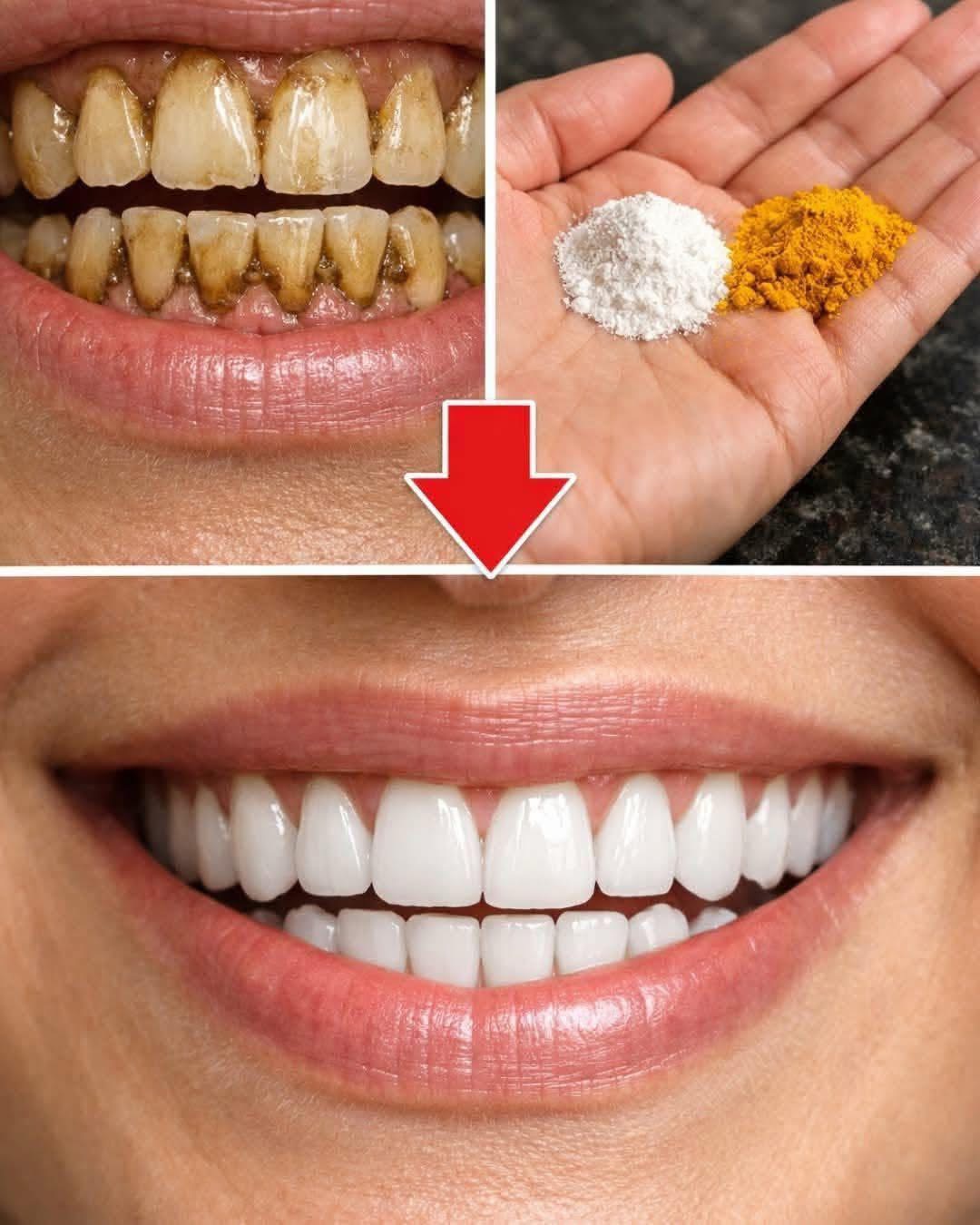
How to Whiten Teeth Naturally with Turmeric and Baking Soda A Complete Guide
Maintaining a bright, radiant smile is a top priority for many people, but commercial whitening treatments can often be expensive and harsh on sensitive teeth. If you are looking for an affordable, chemical-free alternative to remove stubborn stains and brighten your smile, look no further than your kitchen pantry. Combining turmeric and baking soda creates a powerful, natural teeth-whitening paste that leverages the unique properties of traditional herbs and household staples to combat discoloration effectively.
While it might seem counterintuitive to put a vibrant yellow spice like turmeric on your teeth, this ancient remedy has been celebrated for centuries in natural wellness for its remarkable cleaning and healing properties. When paired with the gentle abrasive action of baking soda, this natural remedy helps break down surface stains caused by coffee, tea, and everyday food pigments. This comprehensive guide covers the science behind this natural teeth-whitening remedy, step-by-step preparation instructions, and essential safety tips to ensure you protect your tooth enamel while achieving a brighter smile.
The Science Behind the Ingredients
To understand why this natural remedy works, it is essential to look at the individual properties of both turmeric and baking soda. Each ingredient plays a specific role in breaking down stains and promoting overall oral hygiene.
The Surprising Benefits of Turmeric for Oral Care
Turmeric contains a powerful active compound known as curcumin, which gives the spice its distinct golden color. In traditional wellness and holistic oral care, turmeric is highly valued for its natural anti-inflammatory and antimicrobial properties. Stains on teeth often build up alongside plaque, which is a film of bacteria that adheres to the dental enamel. The natural properties of turmeric help target these microscopic impurities, making it easier to lift surface stains from the teeth. Additionally, turmeric supports gum health by reducing redness and soothing minor irritation, providing a dual-benefit of aesthetic brightening and holistic tissue support.
How Baking Soda Works as a Natural Stain Remover
Baking soda, chemically known as sodium bicarbonate, is a mild abrasive that has been a staple in oral hygiene for generations. Its crystalline structure allows it to gently scrub away surface stains without causing damage to healthy enamel when used correctly. Furthermore, baking soda is highly alkaline, meaning it helps neutralize the acidic environment in your mouth. High acidity from food and beverages can weaken enamel and contribute to staining and decay. By balancing the oral pH levels, baking soda creates an environment where stain-causing bacteria struggle to survive, resulting in a cleaner, fresher mouth and a visibly brighter surface.
How to Prepare the Turmeric and Baking Soda Whitening Paste
Creating this natural whitening mixture at home takes less than two minutes and requires only a few basic ingredients. Following the correct ratios ensures that the mixture remains gentle on your teeth while maximizing its stain-removing potential.
Ingredients and Tools Needed
- 1 teaspoon of organic turmeric powder
- 1 teaspoon of pure baking soda
- 1 to 1.5 teaspoons of organic coconut oil or water (to form a paste)
- A small mixing bowl or dish
- A dedicated toothbrush (the turmeric will stain the bristles yellow)
Step-by-Step Preparation Instructions
- In a small, clean dish, combine equal parts turmeric powder and baking soda. Stir the dry ingredients together thoroughly until the mixture displays a uniform, pale orange-yellow hue.
- Slowly add your liquid base—either extra virgin coconut oil or water. Coconut oil is highly recommended for this recipe because it introduces lauric acid, which further assists in lifting plaque and binding the powders into a smooth, cohesive paste.
- Mix the ingredients firmly until a thick, uniform paste forms. If the mixture is too dry or crumbly, add a few more drops of your liquid base until it reaches the consistency of standard commercial toothpaste.
How to Apply the Natural Whitening Paste Correctly
Proper application technique is vital to achieving the best results while safeguarding your dental health. Because natural ingredients work differently than chemical bleaching agents, a gentle approach yields the safest outcomes.
Application and Brushing Technique
Dip your dedicated toothbrush into the prepared paste, ensuring the bristles are evenly coated. Apply the paste directly to your teeth, focusing primarily on the front surfaces where visible staining occurs. Brush gently using small, circular motions for approximately two minutes. Avoid scrubbing aggressively, as excessive pressure combined with baking soda can cause unnecessary friction on the outer layers of your teeth. Ensure that the paste reaches all surface areas, including the spaces between your teeth where plaque and tea stains commonly accumulate.
The Importance of the Rinsing Process
Once you have finished brushing, do not rinse your mouth immediately. Allow the turmeric paste to sit on your teeth for an additional one to two minutes, giving the curcumin ample time to interact with surface discoloration. After this short wait, spit out the excess paste and rinse your mouth thoroughly with warm water. Swish the water vigorously to clear out any remaining yellow residue from your teeth and gums. Because turmeric can leave a temporary yellow tint on the gum line, follow this treatment with a quick, secondary brush using your standard everyday toothpaste to ensure your mouth is completely clean and refreshed.
Frequency and Safety Guidelines for Natural Teeth Whitening
When using any home remedy for oral care, moderation is key. Understanding the limits of natural abrasives helps protect your enamel from long-term wear and tear.
Recommended Usage Schedule
Due to the abrasive nature of baking soda, this natural whitening paste should not replace your regular daily toothpaste. For optimal and safe results, use this treatment one to two times per week. Overuse can gradually wear down the protective enamel layer of your teeth, leading to increased sensitivity and exposing the yellow dentin layer beneath. Consistency over several weeks yields gradual, natural brightening without jeopardizing your dental health.
Recognizing Personal Sensitivity Limits
Everyone’s dental enamel is unique. If you experience any sudden tooth sensitivity, gum irritation, or discomfort while using this mixture, discontinue use immediately and return to your standard dental care routine. Individuals with pre-existing conditions, such as deep cavities, exposed tooth roots, or advanced gum recession, should avoid using abrasive home remedies altogether, as these conditions require professional evaluation and specialized treatment.
Complementary Tips for a Brighter, Healthier Smile
Achieving a radiant smile involves a combination of targeted stain removal and everyday preventive habits. Implementing small changes in your daily routine can dramatically prolong the results of your natural whitening treatments.
Dietary Adjustments to Prevent Staining
The most effective way to maintain white teeth is to limit exposure to dark pigments that penetrate enamel over time. Beverages like black coffee, dark teas, red wine, and colas are primary culprits for surface discoloration. When consuming these drinks, consider using a straw to minimize direct contact with your front teeth. Additionally, rinsing your mouth with plain water immediately after consuming highly pigmented foods, such as berries or dark sauces, helps wash away staining compounds before they have a chance to settle into the dental matrix.
The Role of Consistent Oral Hygiene
No whitening treatment can substitute for the foundational habits of daily brushing and flossing. Brushing twice a day for a full two minutes removes the daily accumulation of plaque, preventing it from hardening into tartar, which can only be removed by a professional dental hygienist. Daily flossing removes food debris and bacterial film from areas that toothbrush bristles cannot reach, ensuring that your smile stays clean, healthy, and bright from every angle.
When to Seek Professional Dental Care
While natural home remedies are excellent for managing mild surface stains, they have limitations when compared to clinical treatments. Knowing the difference between surface discoloration and structural changes helps you manage your expectations.
Understanding the Limitations of Home Remedies
Natural whitening mixtures function entirely by removing extrinsic stains, which are discolorations located on the outer surface of the tooth enamel. They cannot alter the intrinsic, or internal, color of your teeth. Intrinsic staining can occur due to genetics, aging, certain medications, or historical trauma to a tooth. If your teeth do not show improvement after several weeks of consistent, moderate use of this remedy, the discoloration may be internal, requiring a different approach that only a dental professional can provide.
The Importance of Regular Professional Cleanings
Routine visits to your dentist are crucial for maintaining both the appearance and health of your smile. Professional dental cleanings utilize specialized equipment to safely remove calcified tartar and deep-seated stains that home ingredients cannot dissolve. Furthermore, regular checkups allow your dentist to monitor the health of your enamel and gums, providing tailored guidance on the safest products and practices for your specific oral profile.
Summary of the Turmeric and Baking Soda Whitening Method
To help you easily track your new natural oral care routine, here is a quick-reference summary of the preparation and application process:
| Component | Guideline Details |
|---|---|
| Ingredient Ratio | 1 tsp Turmeric + 1 tsp Baking Soda + 1 tsp Coconut Oil |
| Brushing Time | 2 minutes of gentle, circular brushing |
| Resting Time | 1 to 2 minutes before the final rinse |
| Weekly Frequency | 1 to 2 times per week maximum |
| Post-Treatment Care | Follow up with standard toothpaste to remove yellow tint |
Conclusion
Brightening your smile naturally does not require harsh chemical treatments or expensive over-the-counter kits. By combining the soothing, antimicrobial properties of turmeric with the gentle, stain-lifting capabilities of baking soda, you can create an effective home remedy that targets surface discoloration while respecting your oral health. When used moderately and paired with robust daily oral hygiene habits and mindful dietary choices, this golden paste offers a practical, holistic path toward a cleaner, more radiant smile. Embrace this simple addition to your weekly routine and enjoy the confidence that comes with a naturally brightened smile.